Table Of Content
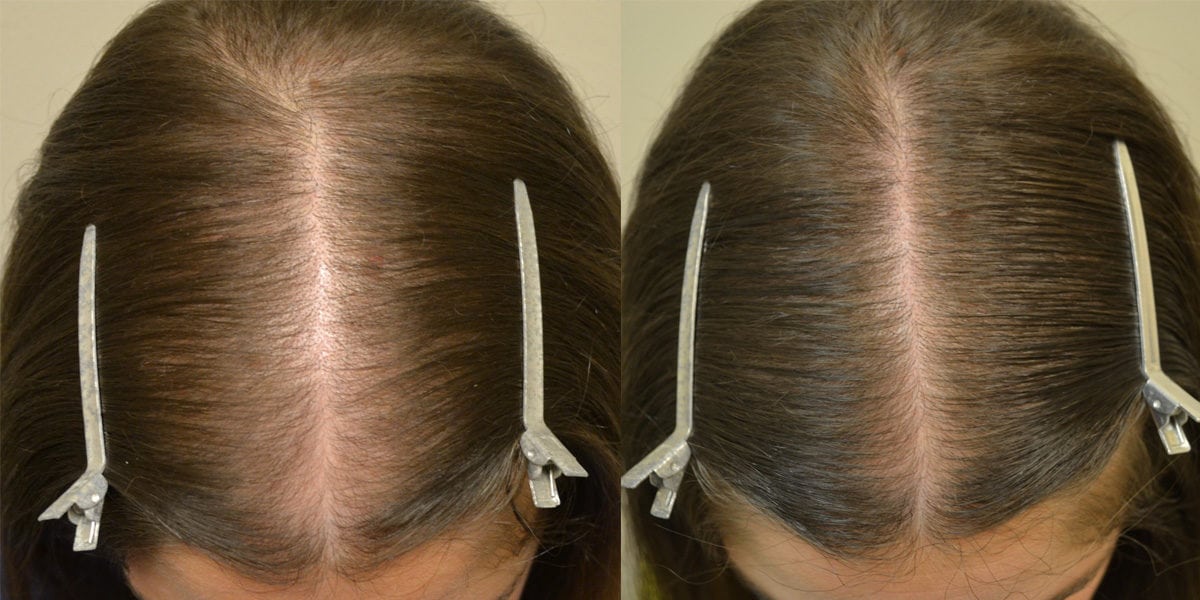
If you’re interested in trying spironolactone for hair loss, talk to your doctor. Make sure to tell them about any medical conditions you have and the kinds of hair loss treatments you’ve tried in the past. In women, spironolactone is often used to treat androgenetic alopecia (female pattern hair loss) as well as hormonal hair loss caused as a symptom of polycystic ovary syndrome (PCOS). The results of this study are consistent with previous literature. A previous systematic review reported that spironolactone was effective in reducing hair loss in women with androgenetic alopecia [16]. In previous research conducted by Burns [14] and Sinclair [13], the efficacy of spironolactone in treating androgenetic alopecia was found to be significantly better with a 12-month treatment compared to a 6-month treatment.
Why Can’t Men Use Spironolactone for Hair Growth?
Estrogen is made when androstenedione or testosterone are modified by the enzyme aromatase. It is synthesized in the ovary and other peripheral tissues and then travels to its receptors, some of which are located in scalp hair follicles (Thornton et al., 2003a, Thornton et al., 2003b). At the scalp follicle, estradiol has been reported to induce aromatase activity (Hoffmann et al., 2002).
10 habits for good health
In this paper, we will conduct a systematic review of the current literature on the use of oral spironolactone in female pattern hair loss, including its efficacy and potential side effects. We hope that this review will provide a comprehensive analysis of the existing evidence on the use of spironolactone in female pattern hair loss and help guide future studies in this area. Female pattern hair loss is the most common cause of hair loss in women and one of the most common problems seen by dermatologists.
Study Selection and Characteristics
All analyses were done using R software version 4.2.3 (R Foundation for Statistical Computing, Vienna, Austria). All five studies11–15 of oral spironolactone as one of the interventions included only female patients. Two studies4,10 treated with topical spironolactone gels or solutions included a total of 65 men and 115 women, and there was no significant difference in gender between the groups reported. I was on spironolactone for acne as well for two years, and like you, lost about 50% of my hair.
How we reviewed this article:
Hers Introduces New Prescription Dermatology Offerings Increasing Support for Women Experiencing Common Yet ... - Business Wire
Hers Introduces New Prescription Dermatology Offerings Increasing Support for Women Experiencing Common Yet ....
Posted: Thu, 13 Jan 2022 08:00:00 GMT [source]
However, this study used a small sample size and had a short duration, so more research is needed to confirm its results in the wider population. Although treatment for androgenetic alopecia is not necessary, some people may wish to reduce their hair loss by using hair loss medication. Research estimates that approximately 50% of males and females experience hair loss, the most common type being androgenetic alopecia.
When exploring alternative female pattern hair loss treatments, finasteride is another option many women consider. Like spironolactone, finasteride is available in oral and topical form, and the topical variation tends to produce fewer side effects in both women and men. Topical finasteride is becoming increasingly popular, but this remains an off-label, prescription-only use of this medication.
Reading this and finding this has been a small token of hope! At this point, I am still taking Spiron 50mg/2 day and diligent about taking the all the vitamins, iron, adding collagen protein to my coffee, eating protein at almost every meal, washing my hair only a few times a week. I even started doing a LED red light therapy at home this week for about 20 minutes a day. Fast forward about 4 months and I notice thinning spots on my temples. I have (had) very thick coarse hair that grows quickly, and the thinning areas were only noticeable to me if I pulled my hair back.
Spironolactone vs. Finasteride for Female Pattern Hair Loss
Aldosterone is a chemical made by the body that can cause water retention. This makes certain heart, kidney, and liver conditions worse. This process also stops your body from ridding itself of potassium. Other reported side effects of finasteride include decreased libido, gynecomastia, testicular pain, and depression. Originally introduced in the late 1950s, Spironolactone has a storied history.
Always disclose other medications you are on to your healthcare provider. Two recent trials4,10 using topical spironolactone as AGA treatment were attractive. Talk to your doctor right away if you become sick while taking spironolactone, especially if you have severe or persistent nausea or vomiting, or diarrhea. These can all cause dangerously low blood pressure when taking spironolactone. If you haven’t gone through menopause, your doctor might also prescribe birth control pills to take with spironolactone. They might also prescribe minoxidil to take with spironolactone, regardless of your age.
That includes nutritional supplements (especially potassium) and diuretics. Spironolactone takes a while to start working for hair loss, so don’t be discouraged if you don’t see improvement right away. I finally panicked and made a hair app specifically for the hair loss with my dermatologist. She basically told me that it was nothing I was doing and I just had to be patient and deal with it till it clears. Also, my hair has now become two different textures with the back soft and the crown and temples brittle, frizzy, and dry. I literally put no heat on my hair and have styled it with mouse and a diffuser on cool for years.

If any side effects become severe or unbearable, seek medical attention immediately. Spironolactone is a medication used to treat high blood pressure, heart failure, and liver and kidney diseases. Other side effects not listed may also occur in some patients. If you notice any other effects, check with your healthcare professional.
While Spironolactone doesn’t directly counteract lifestyle-induced hair thinning, by regulating the hormonal aspect, it can provide some relief. For example, women with androgenic alopecia, characterized by hair thinning predominantly at the crown and frontal scalp, are prime candidates. Hair loss is a pervasive issue that continues to alarm many people as they age. According to the American Hair Loss Association, approximately two-thirds of men will begin to notice some degree of hair loss by the age of 35, and a majority of women will face hair thinning or loss by the time they reach 50.
A larger 2019 meta-analysis compared dutasteride with finasteride as a treatment for MPHL. The authors found that dutasteride significantly increased hair counts, had increased efficacy compared to finasteride, and produced similar side effects. They also wrote that participants tolerated both treatments well. Examples of alternatives for the conditions spironolactone treats are listed below. Not all of the alternatives available for treating the same conditions as spironolactone are included. Talk with your doctor about other options that may work for you.


No comments:
Post a Comment